


Clusia vs Podocarpus: Which Hedge Is Best for Florida?
Choosing between Clusia and Podocarpus for your Florida hedge? Both are excellent privacy hedges that thrive in our climate, but they serve different needs. Clusia offers fast-growing, thick coverage with bold tropical leaves—perfect for quick privacy. Podocarpus delivers a refined, elegant hedge with softer needles and a more formal look. The right choice depends on your landscaping goals and maintenance preferences.
Detailed Comparison
| Product | ||
|---|---|---|
| Price | $7.99 – $194.99 | $7.99 – $194.99 |
| Categories | Plants | Plants |
| Best For | Privacy Hedge | Privacy Hedge |
| Container Sizes | 3-Gallon (8-16"), 7-Gallon (24-36"), 15-Gallon (4-5ft), 25-Gallon (5-6ft) | 3-Gallon (8-16"), 7-Gallon (24-36"), 15-Gallon (4-5ft), 25-Gallon (5-6ft) |
| Foliage Color | Dark Green | Dark Green |
| Installation | No Installation, Include Installation | No Installation, Include Installation |
| Mature Height | 10–20 ft | 10–20 ft |
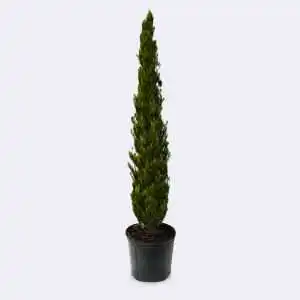
| Appearance | Dense, evergreen shrub with thick, paddle-shaped, leathery leaves that are glossy green on top and lighter underneath. | Upright, columnar shrub or tree with dense, narrow, dark green foliage resembling pine needles. |
| Climate Tolerance | Hardy in USDA zones 10–11. | Hardy in USDA zones 9–11. |
| Growth Rate | Fast. | Moderate. |
| Landscape Use | Frequently used for privacy hedges, windbreaks, sound barriers, and property lines. | Ideal for privacy hedges, borders, foundation plantings, or sculpted topiary. |
| Maintenance | Low. | Low to moderate. |
| Size | Typically maintained between 4–8 feet for hedge use. | Can be maintained as a 4–8 ft hedge or allowed to grow into a small tree reaching 15–25 ft tall. |
| Soil Preferences | Well-draining soil is essential. | Adaptable to a variety of well-draining soils, including sandy or loamy substrates. |
| Sun Exposure | Full sun to partial shade. | Grows well in full sun to partial shade. |
| Water Needs | Low to moderate. | Low to moderate. |


Growth Rate & Privacy: Which Fills In Faster?

When it comes to establishing privacy quickly, Clusia takes the lead. This fast-growing Florida native can add 2-3 feet of height per year under ideal conditions, with thick, paddle-shaped leaves that create immediate screening. The dense foliage overlaps naturally, leaving virtually no gaps for prying eyes.
Podocarpus, while still a strong grower, takes a more measured approach at 1-2 feet annually. Its fine-textured, needle-like foliage creates an elegant screen that matures into a sophisticated privacy barrier. While it requires a bit more patience, many homeowners prefer its refined aesthetic and controlled growth pattern.
Maintenance Requirements: Time vs. Beauty

Clusia is the low-maintenance champion. Its thick, waxy leaves are naturally disease-resistant and require minimal intervention. You can trim it 2-3 times per year to maintain shape, or let it grow naturally for a more organic look. It handles Florida's intense heat, salt spray, and occasional drought with remarkable resilience.
Podocarpus demands slightly more attention but rewards you with pristine appearance. Regular trimming (3-4 times annually) keeps its formal shape crisp. It appreciates consistent watering during establishment and benefits from occasional fertilization to maintain its deep green color. The payoff? A hedge that looks professionally manicured year-round.
Climate Adaptation: Thriving in Florida's Unique Conditions

Both hedges excel in Florida's subtropical climate, but each has distinct advantages. Clusia is the ultimate Florida survivor—handling full sun, coastal salt spray, and South Florida's humidity without breaking a sweat. It's hurricane-resistant with flexible branches that bend rather than break in high winds.
Podocarpus prefers slightly more consistent moisture but adapts remarkably well across the state. It thrives in partial shade to full sun and handles Central and North Florida's occasional cold snaps better than Clusia. For coastal properties, both work beautifully, though Clusia has a slight edge in extreme salt exposure.
Cost Comparison: Initial Investment vs. Long-Term Value

Price-wise, both hedges offer excellent value, though the specifics depend on your timeline. Clusia's faster growth means you can start with smaller (and more affordable) plants that will reach your desired height quickly. This makes it budget-friendly upfront while still achieving privacy goals within 1-2 years.
Podocarpus often costs slightly more per plant, but its slower, denser growth means you might need fewer plants to achieve the same linear footage over time. The long-term maintenance costs are comparable, though Clusia's drought tolerance could translate to lower water bills in the long run.
The Verdict: Clusia Takes the Lead for Most Florida Properties
For the majority of Florida homeowners seeking privacy, Clusia is our top recommendation. Its faster growth rate, superior drought tolerance, and bold tropical aesthetic make it the go-to choice for quick, low-maintenance screening. Clusia is also our best-selling privacy hedge, trusted by thousands of South Florida customers.
That said, Podocarpus is an excellent choice if you prefer a refined, formal hedge with softer texture. It's particularly well-suited for North Florida's cooler climate and properties where a more understated, elegant appearance is desired.
Frequently Asked Questions
❓ Is Clusia or Podocarpus better for privacy?
Clusia is generally better for fast privacy as it grows more quickly and has thicker, broader leaves that create dense screening. Podocarpus also provides excellent privacy but takes slightly longer to fill in completely.
❓ What hedge grows fastest in Florida?
Clusia typically grows faster than Podocarpus in Florida conditions, especially in full sun with regular watering. You can expect 2-3 feet of growth per year from Clusia versus 1-2 feet from Podocarpus.
❓ Which is more drought tolerant, Clusia or Podocarpus?
Clusia is more drought-tolerant once established. Its thick, waxy leaves help it retain moisture better than Podocarpus, making it ideal for water-conscious Florida landscapes.
❓ Can I mix Clusia and Podocarpus in the same hedge?
While possible, it's not recommended. The different growth rates and textures can create an uneven appearance. Stick with one species for a uniform, professional-looking hedge.
Ready to Add These to Your Landscape?
Shop our premium selection of hedges and privacy plants.