
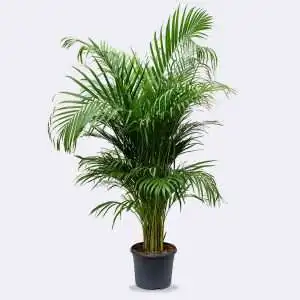
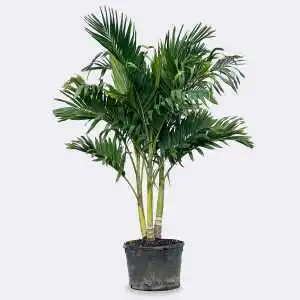
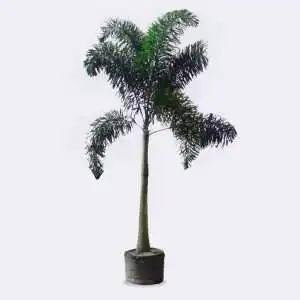
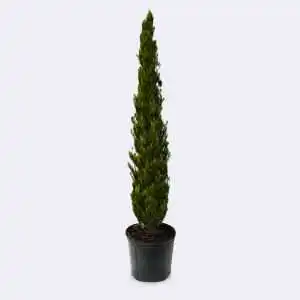


The Verawood Tree, known scientifically as Bulnesia arborea, is a remarkable and highly valued tree native to the tropical regions of South America, particularly Venezuela and Colombia. Renowned for its dense, attractive foliage and exceptionally hard, durable wood, Verawood is both a beautiful and practical addition to landscapes.
Verawood Tree Breakdown
Appearance:
Verawood is a medium to large evergreen tree characterized by its glossy, dark green, pinnate leaves and symmetrical, rounded canopy.
The tree produces small, fragrant, yellow flowers that bloom in clusters, usually in the late spring to summer. The bark is smooth and grayish-brown, adding to its ornamental appeal.
Growth Rate:
Moderate to fast.
The Verawood tree can grow steadily under optimal conditions, reaching significant heights over time.
Size:
Typically reaches heights of 30-50 feet, with a spread of 20-30 feet, making it suitable for medium to large landscapes.
Sunlight Requirements:
Prefers full sun to partial shade.
Adequate sunlight ensures robust growth and a healthy, dense canopy.
Water Needs:
Once established, the Verawood tree is quite drought-tolerant.
However, it benefits from regular watering during its initial growth period. Ensure the soil is well-draining to avoid waterlogging.
Soil Preferences:
Thrives in well-drained, sandy, or loamy soils.
It can tolerate poor soil conditions but performs best in fertile, well-draining soil.
Maintenance:
Low.
Pruning is generally not required but can be done to shape or remove dead or damaged branches. The tree is relatively low-maintenance once established.
Landscape Use:
Ideal for use as a shade tree, specimen tree, or in avenue plantings.
Its dense foliage and attractive form make it a popular choice for parks, large gardens, and public spaces.
Climate Tolerance:
Hardy in USDA zones 10-11.
It prefers warm, tropical to subtropical climates and is not frost-tolerant. It should be protected from freezing temperatures.
The Verawood Tree is an excellent choice for those looking to add a resilient, attractive, and functional tree to their landscape. Its glossy, dark green foliage and fragrant yellow flowers provide year-round beauty, while its hardy nature makes it relatively easy to care for. Additionally, the exceptionally hard wood of the Verawood tree is highly valued for various uses, making it not only an ornamental but also a practical addition to suitable environments.
Frequently Asked Questions
How to Plant & Care for Verawood Tree in Florida
Select a Stable Location
Choose a spot with full sun to partial sun and room for mature canopy growth. Avoid planting too close to structures.
Dig a Wide Hole
Dig 2–3x wider than the root ball but only as deep as the container. Trees should never be planted too deep.
Set Tree + Backfill
Place the tree level to slightly above grade. Backfill with native soil and firm gently to remove air pockets.
Deep Watering Schedule
Water deeply right after planting, then daily for the first 1–2 weeks. Gradually taper as roots establish.
Staking + Early Care
Stake only if needed for stability. Remove stakes once rooted. Minor leaf drop during establishment is normal.
Professional Installation Available: Not comfortable planting yourself? We offer expert installation services throughout Florida. Our team has 15+ years of experience ensuring your plants thrive. Call 561-898-2028 to add installation to your order.
What Florida Customers Say
I bought 12 plants. All in excellent condition. Good size. Delivery was on time. Thank you. I recommend it.
Dino's Palms just completed a full landscape install at our property in Tequesta. They planted 10 Christmas palms, 9 Coconuts, Silver buttonwood trees, hundreds of clusia, and more small plants. I cannot speak highly enough about the quality and service.
Highly recommend! Super communicative, did a great job installing and all-around fit our budget while still providing excellent quality, beautiful plants! We will be repeat customers!


